
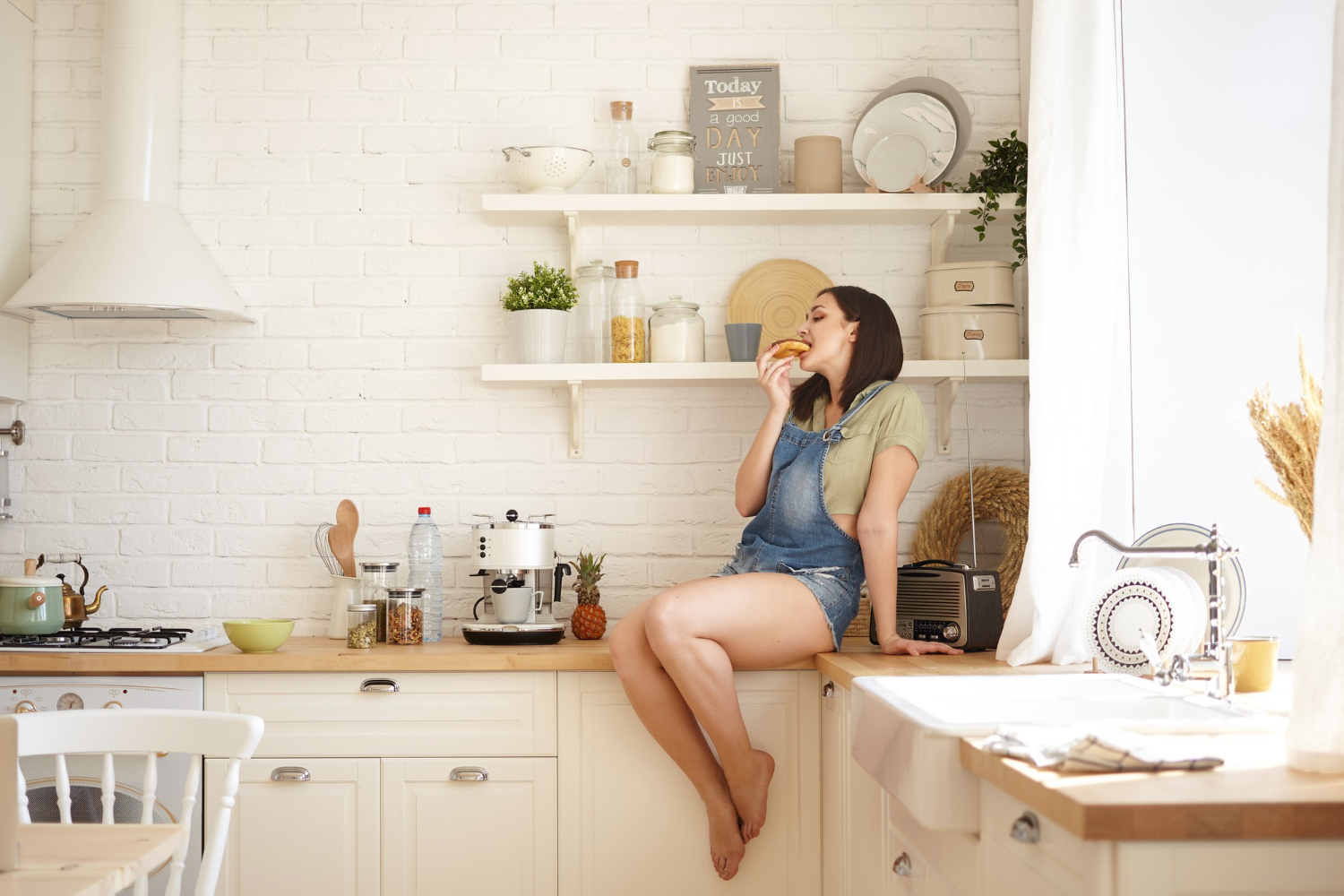
Setting up your first kitchen feels exciting… right up until you realize how much stuff exists. Walk into any home store and suddenly it seems like you need 40 different tools just to cook a basic meal.
You don’t.
A good kitchen isn’t about having everything—it’s about having the right things. The kind you’ll reach for every day, not the ones that sit in a drawer “just in case.”
Here’s what actually matters when you’re starting out.
Start With the Core: Knives That Work
You can cook almost anything with just two knives: a chef’s knife and a small paring knife.
That’s it.
A solid chef’s knife handles chopping, slicing, dicing—basically 90% of your prep. The paring knife takes care of smaller, more precise stuff. You don’t need a giant knife block taking up counter space.
If you spend a little more anywhere, spend it here. A good knife makes cooking faster, safer, and way less frustrating.
One Good Cutting Board (Not Five)
You don’t need a collection—just one sturdy cutting board that’s easy to clean.
Wood boards are durable and easier on your knives, while plastic ones are cheaper and dishwasher-safe. Either works. The important part is that it’s big enough to actually use without everything falling off the edges.
A Few Pots and Pans—Not a Full Set
Those big cookware sets look tempting, but you’ll end up using the same two or three pieces anyway.
Start with:
- One nonstick skillet (eggs, pancakes, quick meals)
- One stainless steel or cast iron pan (for searing, higher heat cooking)
- One medium saucepan (soups, pasta, sauces)
- One larger pot (for boiling or batch cooking)
That’s a complete kitchen for most people. You can always add more later if you find a real need.
Basic Utensils That Pull Their Weight
Skip the gadget overload. You just need a few essentials:
- Wooden spoon
- Silicone spatula
- Ladle
- Tongs
These handle almost everything from stirring to flipping to serving. If a tool only does one very specific thing, you probably don’t need it yet.
Measuring Tools (Because Guessing Only Goes So Far)
Even if you’re not baking much, a set of measuring cups and spoons will save you from a lot of trial-and-error meals.
They’re cheap, take up almost no space, and make recipes way less stressful to follow.
Plates, Bowls, and a Few Glasses
You don’t need a perfectly matched set for eight.
Start small:
- 2–4 plates
- 2–4 bowls
- A couple of glasses or mugs
You can always build from there. In fact, mixing pieces over time usually looks more interesting than buying everything at once.
Storage That Keeps Food (and Your Fridge) Under Control
Leftovers are part of real life.
A few airtight containers go a long way in keeping your fridge organized and reducing food waste. Glass containers are great if you can swing it—they last longer and don’t stain as easily—but plastic works fine to start.
Cleaning Basics (Because It Adds Up Fast)
No one talks about this part, but you’ll feel it immediately if you skip it.
Make sure you have:
- Dish soap
- A sponge or brush
- A drying rack or towels
A clean kitchen is what makes you want to cook again the next day.
One or Two “Nice to Have” Items
Once you’ve covered the basics, you can add things that match how you actually eat.
Love coffee? Get a simple coffee maker.
Eat a lot of rice? A rice cooker might be worth it.
Bake occasionally? Add a baking sheet and mixing bowl.
Build your kitchen around your habits—not someone else’s.
What You Don’t Need (Yet)
- Giant cookware sets
- Single-use gadgets (avocado slicers, egg separators, etc.)
- Fancy appliances you’re not sure you’ll use
- Matching everything
Those can come later, if ever.
Your first kitchen doesn’t need to be perfect—it just needs to work.
Focus on the tools that help you cook simple meals comfortably. As your skills (and preferences) grow, your kitchen will grow with you.
And honestly? Some of the best meals come out of the simplest setups.