
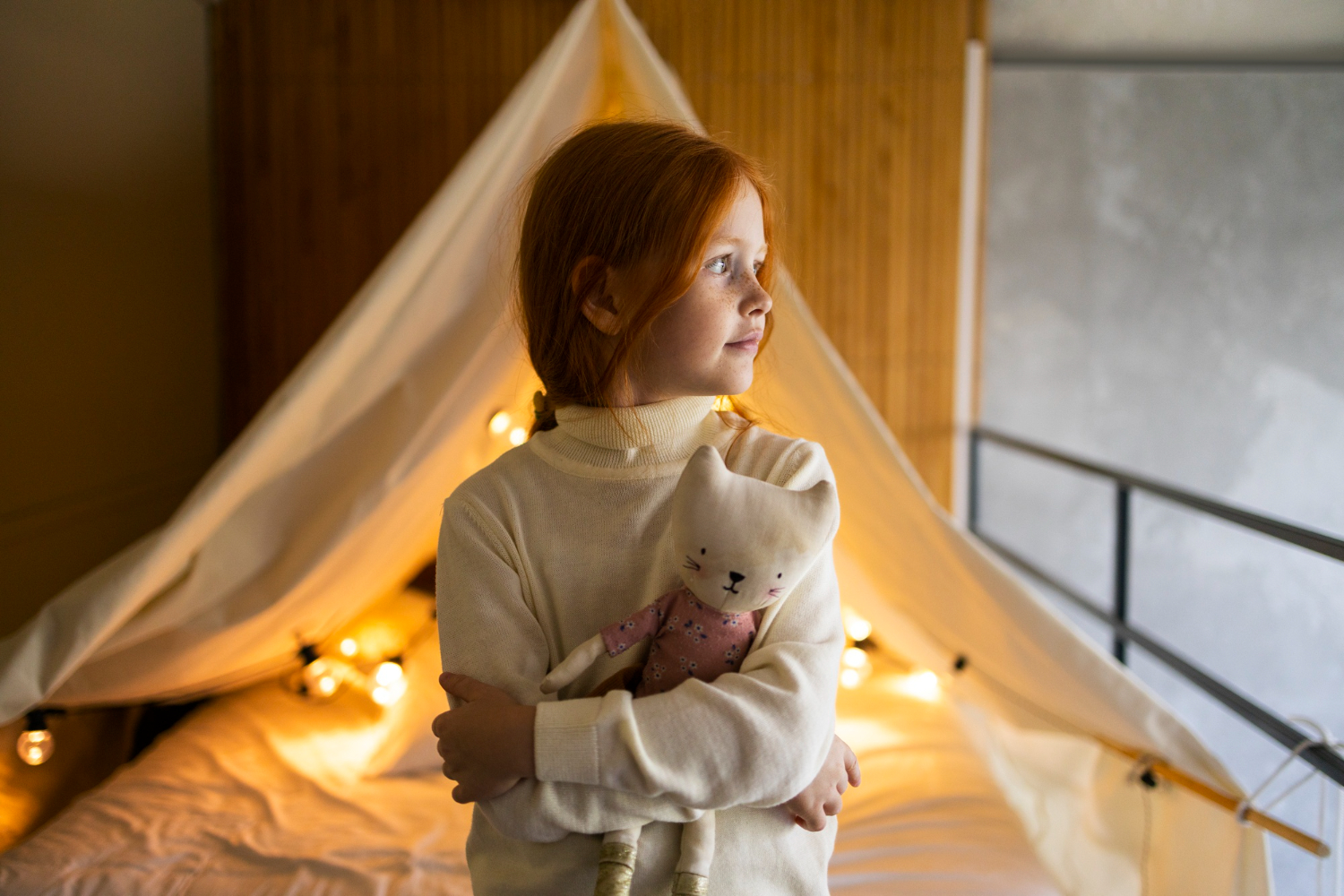
Designing a kid’s room on a budget can feel like a constant balancing act—because whatever you buy today, they might outgrow (or get bored of) tomorrow. The trick isn’t to make it perfect. It’s to make it flexible, functional, and easy to update without spending a ton every time their interests change.
Here’s what you actually need—and what’s worth your money.
A Bed That Makes Sense Now (and Later)
Start with the obvious: a comfortable, safe place to sleep.
You don’t need anything fancy. A simple bed frame or even a low mattress setup works just fine. What matters more is durability and easy-to-wash bedding—because spills, accidents, and mystery messes are part of the deal.
If you can, choose something that grows with your child (like a twin bed instead of a toddler bed). It saves you from buying twice.
Smart Storage (This Is the Real MVP)
If there’s one thing that makes or breaks a kid’s room, it’s storage.
Toys, books, clothes—they pile up fast. But you don’t need expensive organizers to keep things under control. Simple bins, baskets, or even repurposed boxes work great. In fact, using everyday items as storage is one of the easiest ways to save money while staying organized ().
A few practical ideas:
- Soft bins for toys (safer and easier for kids to use)
- Under-bed storage for things they don’t use daily
- Wall shelves to free up floor space
The goal isn’t perfection—it’s making cleanup easy enough that your kid can actually help.
A Play + Creativity Zone
Kids don’t just sleep in their rooms—they live in them.
You don’t need a full playroom setup. A small rug, a corner with a few toys, or even a simple table for drawing is enough to create a space where they can play and be creative.
Some parents even skip desks early on and just use a shared table or a small play surface instead, which works perfectly for crafts and homework in the early years (and saves money).
Lighting That Feels Calm
Overhead lights can feel harsh, especially at night.
Adding a small lamp, night light, or even soft string lights makes the room feel more relaxed and helps with bedtime routines. You don’t need anything expensive—just something warm and not blinding.
Simple Decor (That’s Easy to Change)
This is where a lot of people overspend.
Kids’ interests change fast, so instead of committing to a full theme, keep the base neutral and swap out smaller details over time. Things like peel-and-stick wall decals or artwork are a cheap way to add personality without locking you in ().
Even better: let your kid’s own drawings become part of the decor. It’s free, personal, and constantly evolving.
A Cozy Touch (Rug, Pillows, or Both)
A soft rug or a few pillows can completely change how the room feels.
Rugs add warmth, reduce noise, and create a defined play area. Pillows or bean bags make the space more inviting—especially for reading or quiet time.
You don’t need designer pieces. Comfort matters more than aesthetics here.
Safety Basics (Non-Negotiable)
This is the one area you don’t want to cut corners.
Make sure:
- Furniture is stable and anchored
- Sharp edges are minimized
- Small or hazardous items are out of reach
Safety and organization go hand in hand—keeping things tidy also helps prevent accidents ().
A System for Rotating and Decluttering
Here’s something most people don’t think about: you don’t need space for everything at once.
Rotating toys and regularly clearing out what’s no longer used keeps the room manageable and saves you from buying more storage. It also makes old toys feel “new” again.
As one simple rule: fewer toys = less mess and less money spent overall ().
What You Don’t Need
- Over-the-top themed furniture
- Expensive matching sets
- Tons of toys all at once
- Complicated storage systems
Kids care way more about having space to play than having a Pinterest-perfect room.
A great kid’s room isn’t about how much you spend—it’s about how well it works for real life.
Focus on a few essentials: a comfortable bed, smart storage, a place to play, and room to grow. Everything else can evolve over time (and it probably will).
Because honestly? The best kids’ rooms are the ones that look a little messy, a little creative, and completely lived in.